How Bushfire Ash, Dust, and Pollen Affect Pool Cleaners (And How to Protect Yours)
If you’ve ever walked outside after a smoky bushfire day or a blustery spring morning and thought, “Why does my pool look like it’s been camping in the outback?” you’re not alone.
In Australia, bushfire ash, fine dust, and pollen are just part of life. Unfortunately, they don’t stop at your fence line. They float, settle, sink… and eventually end up in your swimming pool. And while automatic pool cleaners are built tough, these fine particles can put even the hardest-working cleaners to the test.
Let’s break down what’s going on and how to keep your pool (and pool cleaner) happy year-round.
Introduction to Bushfire Ash and Pool Maintenance
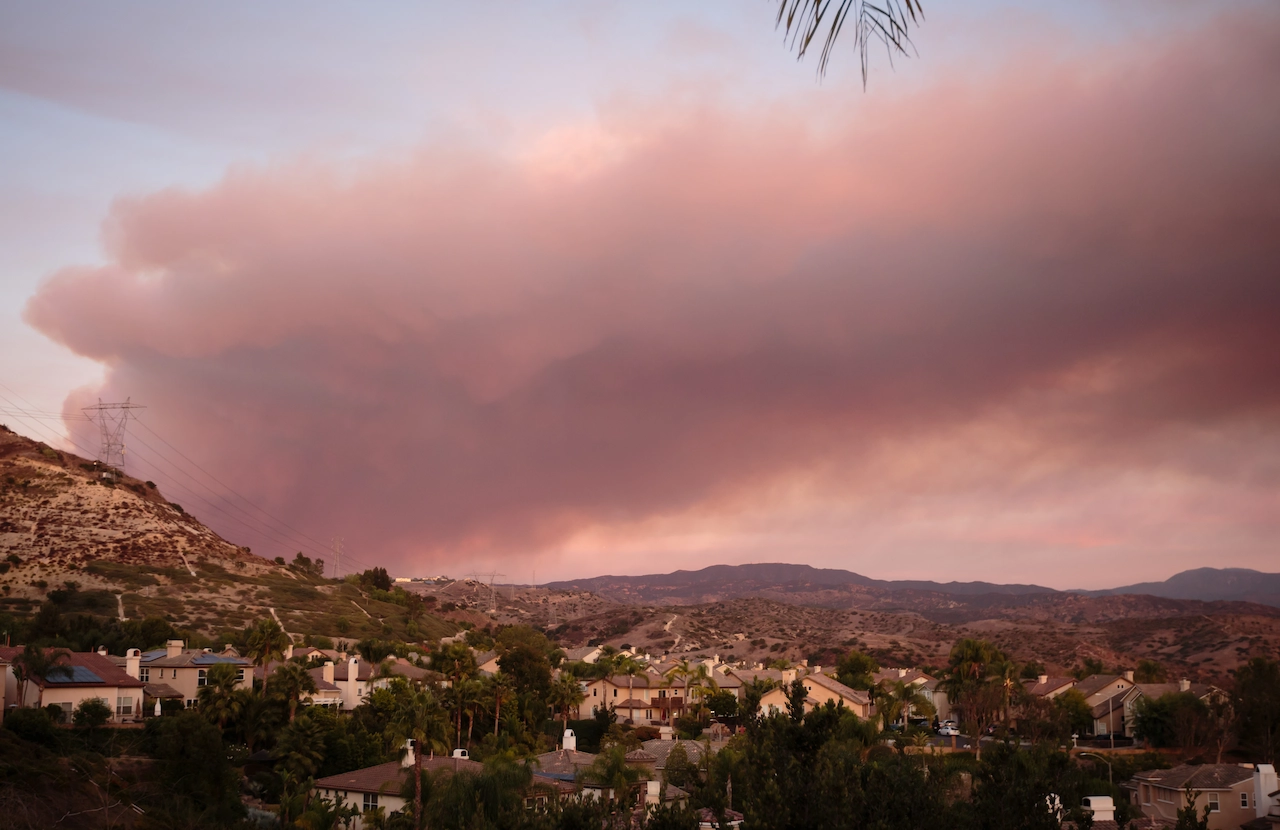
Bushfires are a fact of life in Australia, and while their impact on the environment is well known, the effect on pool maintenance is often overlooked. When bushfire ash drifts into your backyard, it doesn’t just settle on your outdoor furniture; it finds its way into your pool, clouding the water and introducing debris that can be tough to remove. Keeping your pool sparkling clean in these conditions can feel like an uphill battle, but automatic pool cleaners are designed to help tackle this unique challenge. By investing in a reliable pool cleaner and staying proactive, you can minimise the risk of ash and debris taking over your pool. With the right approach, you’ll ensure your pool water stays clean and safe, no matter what the Australian environment throws your way.
Types of Pool Cleaners and Their Vulnerabilities
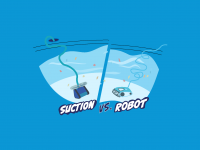
Not all pool cleaners are created equal, especially when it comes to handling the fine dust, dirt, and ash that bushfires can bring. Pressure pool cleaners are great for picking up larger debris, but they may need more maintenance and can sometimes struggle with the ultra-fine particles left behind after a fire. Suction pool cleaners, on the other hand, are efficient at removing fine dust and smaller debris, making them a solid choice for Australian conditions where ash and pollen are common. Robotic pool cleaners, with their built-in intelligence and advanced filtration, offer powerful cleaning and can adapt to different debris types, but they often require more frequent filter or cartridge cleaning and come at a higher price point. Understanding these differences helps you choose a pool cleaner that matches your environment and ensures your pool stays clean and ready for use, even when bushfire season hits.
Why Bushfire Ash Is So Tough on Pools
Bushfire ash isn’t like leaves or twigs you can scoop out with a net. It’s extremely fine, often lighter than sand, and it behaves more like dust than debris.
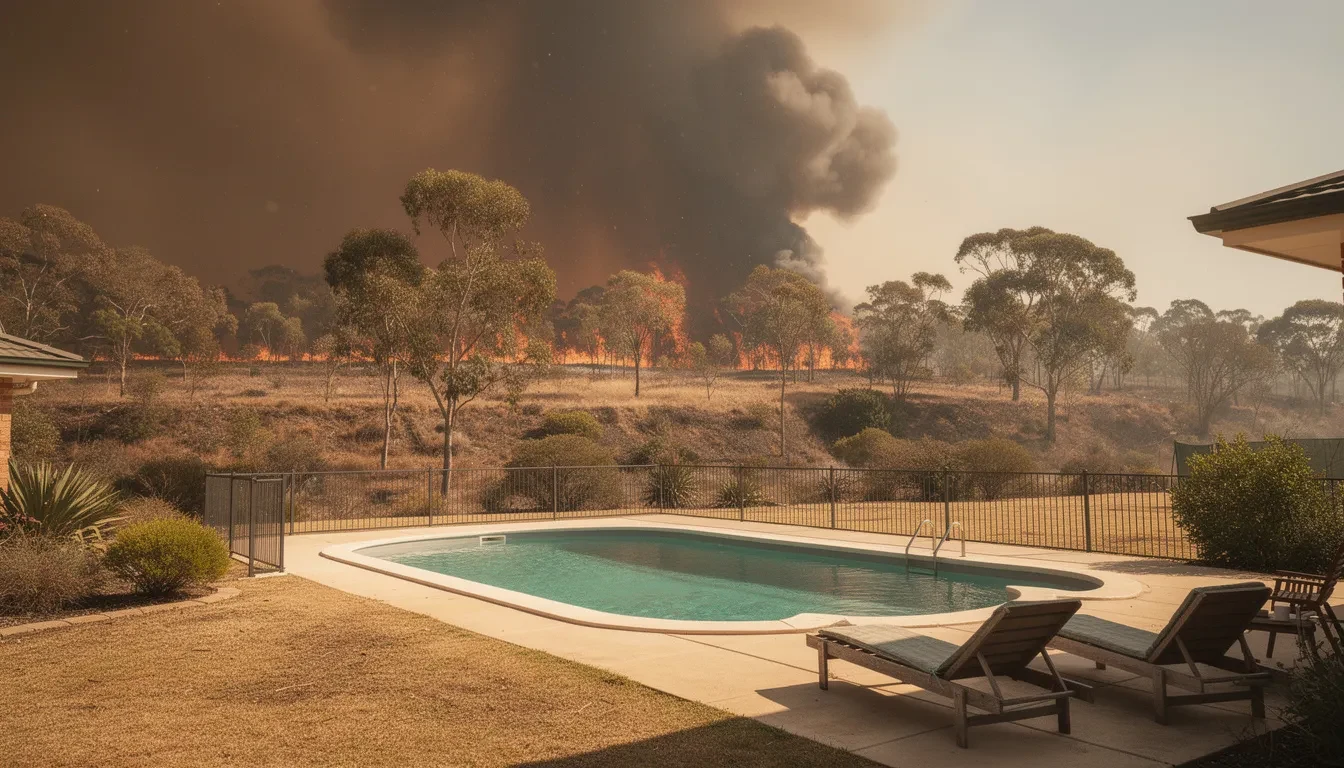
They float, settle, sink… and eventually end up in your swimming pool. Wind can carry ash and debris over long distances, increasing the risk of contamination in your pool.
When ash lands in your pool, it can:
- Sink to the floor and cling to surfaces
- Cloud the water
- Get sucked into hoses, filters, and cleaner parts
Because ash particles are so small, they can:
- Reduce suction performance
- Block diaphragms or filter systems
- Increase wear on moving parts
Bushfire ash can also promote the growth of bacteria and algae in water sources, which may affect your pool water as well.
And to make matters worse, ash can throw your pool’s chemical balance out of whack, and the sudden influx of nutrients from ash can stimulate the growth of microorganisms in the pool, meaning your cleaner has to work even harder just to keep things looking swimmable.
Dust and Pollen: The Sneaky Pool Invaders
Dust and pollen are the quiet achievers of pool problems. You don’t always notice them straight away, but they build up fast. Pollen can be carried into pools not only by wind but also by insects, which play a key role in pollination among the surrounding vegetation.
Pollen Problems
Springtime pollen is especially tricky because it:
- Floats on the surface
- Clumps together
- Easily bypasses surface skimming
Pollen grains come in a variety of shapes, with different geometric forms and surface structures that can affect how easily they are filtered out of pool water. Much of the pollen found in pools originates from surrounding vegetation, especially during spring. For humans, pollen in pool water can worsen allergies and other sensitivities, so regular cleaning is important for those affected.
Once it sinks, it can coat the pool floor in a fine layer that’s tough to remove without consistent cleaning.
Dust Drama
Dust storms, windy days, or even nearby construction can send fine dirt straight into your pool. This dust:
- Settles quickly
- Makes water look dull or murky
- Fills filters faster than normal
Together, dust and pollen can make your pool cleaner look like it’s lost motivation, when really, it’s just dealing with more than usual.
Common Signs Your Pool Cleaner Is Struggling
If bushfire ash, dust, or pollen are affecting your pool, you might notice symptoms such as:
- Your pool cleaner is moving more slowly than usual
- Missed patches of fine debris on the pool floor
- Cloudy water despite regular cleaning
- Filters needing constant attention
These symptoms indicate there may be underlying issues with water quality or cleaner performance. Resolving these issues often involves an involved, hands-on troubleshooting process to identify and address the root cause.
If this sounds familiar, don’t panic, your cleaner probably isn’t broken. It just needs a little extra love.
How to Protect Your Pool Cleaner During Bushfire & Pollen Season
A few small changes can make a big difference when conditions get dusty or smoky.
Modern pool cleaners come with advanced features that ensure comprehensive cleaning, including the ability to efficiently clean corners and steps. Ensuring your pool pump is appropriately sized and well-maintained is also crucial for effective cleaning and filtration. Incorporating a regular vacuum routine after filter cleaning helps remove fine debris and maintain water clarity. Checking your pool vacuum’s hose for blockages or tears is essential to prevent dirt from returning to the pool and to keep your cleaning system running smoothly. Using a pool cover not only helps keep out bushfire ash but also reduces evaporation and chemical waste, allowing you to use fewer chemicals to maintain water quality. These steps help minimize waste, reduce cleaning effort, and keep your pool in top condition even during challenging environmental conditions.
Run Your Cleaner More Often (Shorter Cycles)
Instead of one long clean, run shorter, more frequent cycles. This stops fine debris from building up and overwhelming your system.
Keep Filters Clean
During bushfire season or high pollen periods, you may need to clean or backwash your filter more often than usual. A clean filter means better suction and happier cleaner parts. After cleaning or backwashing your filter, it’s recommended to vacuum the pool slowly to remove any fine debris or ash that may have settled on the pool bottom, ensuring optimal water clarity.
Give the Pool a Quick Skim
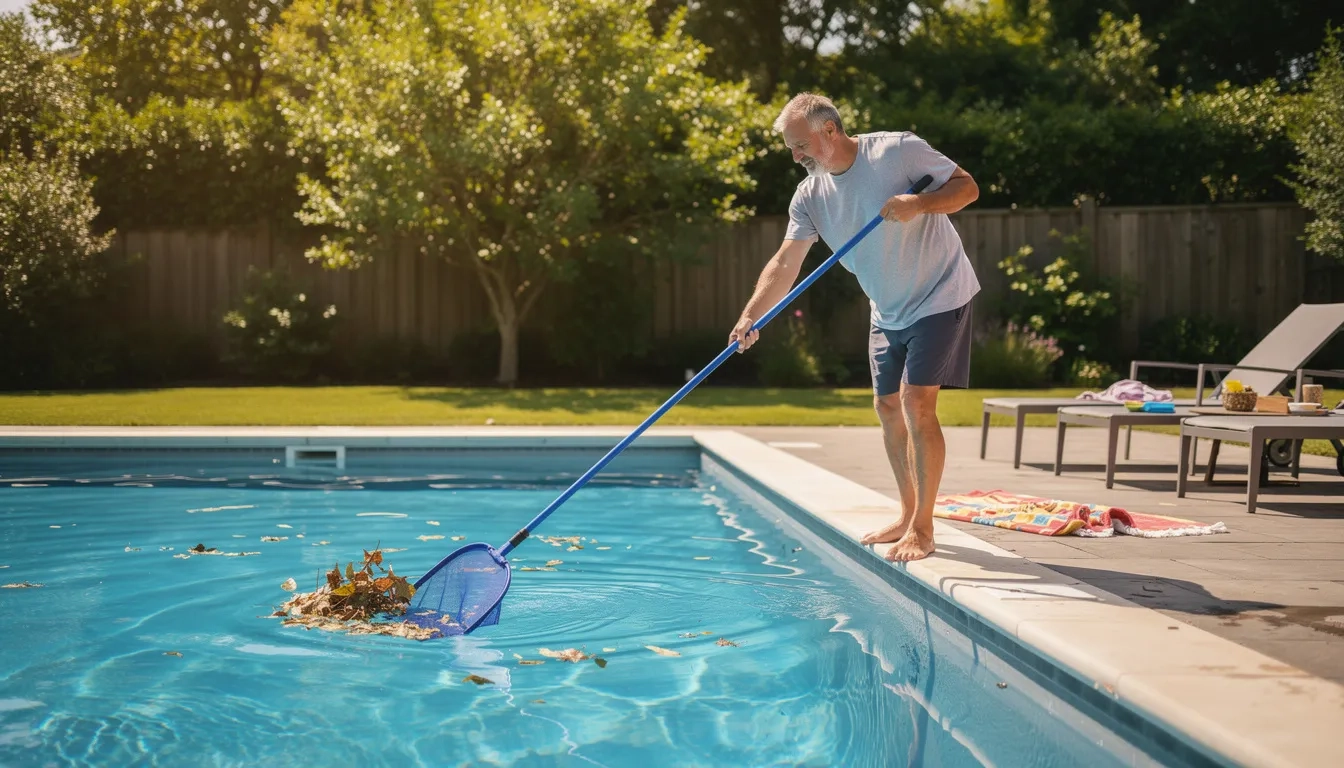
Skimming the surface before running your cleaner removes floating pollen and ash so it doesn’t all get sucked in at once.
Check Hoses and Moving Parts
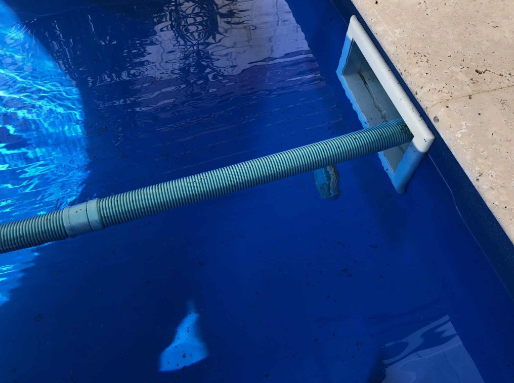
Fine debris can collect in hoses and diaphragms, so it’s important to inspect the pool vacuum’s hose for blockages or tears to ensure effective cleaning. A quick visual check now and then can prevent bigger issues later.
Use a Pool Cover When You Can
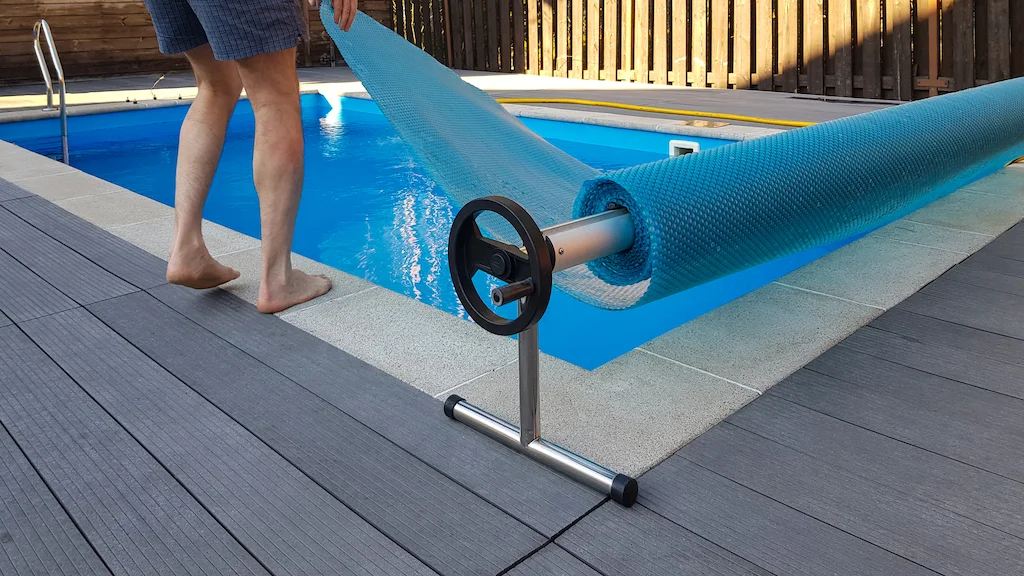
If you’re not swimming for a few days, especially during smoky or windy weather, a pool cover can save you a lot of cleaning time. Using a pool cover also helps reduce evaporation and water waste, which means you’ll need fewer chemicals to maintain water quality.
Water Quality and Pool Cleaner Performance
When bushfire ash and debris enter your pool, they don’t just make the water look dirty; they can also increase the risk of bacteria and other contaminants. Fine dust and ash can overwhelm your pool’s filter, making it harder for your pool cleaner to keep up and potentially affecting water safety. The size and type of your pool cleaner’s filter play a big role here: a larger filter can handle more debris before needing attention, while some cleaners are better at picking up fine dirt than others. To ensure your pool remains clean and safe, keep an eye on water quality by testing regularly, and adjust your pool cleaner’s settings or cleaning schedule as needed. Staying on top of these details helps you maintain a healthy pool environment, even when the air outside is filled with ash and dust.
Pool Cleaner Safety and Precautions
Using a pool cleaner during bushfire season comes with a few extra safety considerations. Always follow the manufacturer’s instructions when setting up and operating your pool cleaner, and make sure all equipment is properly connected before use. Keep the pool area free from obstacles and tripping hazards, especially when ash and debris may make surfaces slippery. Be mindful of the increased risk of blockages in hoses and filters caused by fine ash, regular checks and maintenance can help prevent issues before they start. By taking these simple precautions, you’ll protect both your pool cleaner and your family, ensuring your pool remains a safe and enjoyable place to cool off, even when bushfire debris is in the air.
Are Suction Pool Cleaners Better for Fine Australian Conditions?
Suction pool cleaners are well-suited to Australia’s unique environment because they are suitable for both in-ground and above-ground pools. The market offers a wide range of pool cleaners, including models with proven performance and value. Some brands provide the largest range of pool cleaners, catering to different pool sizes and needs. Using an efficient pool cleaner can also reduce the load on your pool’s filtration system, improving overall performance. They:
- Continuously remove fine particles
- Don’t rely on complex electronics
- Handle variable debris sizes well
This makes them particularly effective during bushfire season, dusty weather, and high-pollen periods, exactly the conditions many Aussie families deal with every year.
When to Service or Replace Pool Cleaner Parts
After heavy ash exposure, it’s a good idea to check:
- Diaphragms for wear or stretching, as these parts tend to wear out with regular use
- Hoses for blockages or fine buildup, since hoses also tend to degrade over time
- Filter components for excess strain
If your pool cleaner gets stuck frequently, it may be a sign that certain parts need servicing or replacement.
Replacing small parts early can help extend the life of your pool cleaner and keep it running smoothly — which means more time swimming and less time fiddling with equipment.
The Bottom Line
Bushfire ash, dust, and pollen are part of the Australian lifestyle, just like backyard barbies and summer pool days. While they can make pool maintenance more challenging, the good news is they’re manageable with the right approach.
With regular cleaning, a bit of preventative care, and a reliable automatic pool cleaner, your pool can stay clear, clean, and ready for family fun, even when the air outside isn’t playing nice.
Because at the end of the day, your pool should be a place to relax, not another chore on the weekend to-do list.
Frequently Asked Questions
Does bushfire ash damage pool cleaners?
Bushfire ash won’t usually cause permanent damage straight away, but it can clog filters, hoses, and moving parts if left unchecked. Regular cleaning and filter maintenance during bushfire season helps protect your pool cleaner and keep it running smoothly.
Can ash and dust make my pool water cloudy?
Yes. Ash, dust, and pollen are very fine particles that can stay suspended in the water, making your pool look cloudy or dull. Running your pool cleaner more frequently and keeping filters clean will help restore water clarity.
Should I turn off my pool cleaner during bushfire smoke events?
You can still run your pool cleaner during smoky conditions, but shorter, more frequent cycles are best. This prevents large amounts of fine ash from building up and overwhelming your filter system.
How often should I clean my pool filter during bushfire season?
During bushfire season or high pollen periods, it’s a good idea to check and clean your filter at least once a week, or more often if you notice reduced suction or cloudy water.
Are automatic pool cleaners effective against fine dust and pollen?
Yes. Automatic pool cleaners are effective at removing fine debris, especially when run regularly. Suction pool cleaners are particularly good at handling fine particles common in Australian conditions.
Can pollen block my pool cleaner?
Pollen can clump together and block hoses or reduce suction if it builds up. Skimming the surface before running your pool cleaner and cleaning filters regularly can prevent this.
Do I need special chemicals after bushfire ash falls into my pool?
Ash can affect your pool’s chemical balance. It’s a good idea to test your water after heavy ash fallout and adjust chemicals as needed to support your cleaner and maintain clear water.
Will using a pool cover really help?
Absolutely. A pool cover can significantly reduce the amount of ash, dust, and pollen entering your pool, saving time on cleaning and reducing wear on your pool cleaner.