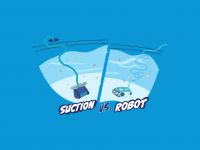
The Complete Guide to Maintaining Your Kreepy Krauly Cleaner
A Kreepy Krauly cleaner is one of those products you don’t think about much until it stops working properly. The good news is that most performance issues come down to a handful of parts that wear out over time: the debris bag, the hoses, and the diaphragm. None of them are complicated to check, and keeping on top of them is the difference between a cleaner that lasts for years and one that ends up in the shed after twelve months.
This guide walks through what each part does, how to tell when it needs attention, and a simple maintenance routine you can build into your regular pool care.
Why Robotic Pool Cleaner Maintenance Matters More Than You’d Think
A suction-side pool cleaner like a Kreepy Krauly relies on your pool’s filtration system to create the suction that powers it, and regular maintenance is key to keep it operating efficiently and extend its lifespan. That means every part in the chain, from the debris bag through the hoses to the diaphragm, needs to be working properly for the cleaner to move efficiently and pick up debris. A worn diaphragm or a cracked hose doesn’t just reduce cleaning performance; it can also put extra strain on your pool pump, working it harder than it needs to.
The parts themselves are inexpensive and easy to replace, and timely upkeep can save money compared with larger repairs. The alternative, ignoring wear until the cleaner stops moving altogether, usually means a longer troubleshooting job and, sometimes, replacing more parts than you would have if you’d caught the issue earlier.

Cleaning and Maintaining the Robotic Pool Cleaner Debris Bag
The debris bag is your cleaner’s first line of defence; it’s what actually collects the leaves, dirt and debris pulled up from the pool floor to help remove debris efficiently from the pool during the cleaning process. It’s also the part that needs the most frequent attention.
What to do:
- Check the bag every time you run the cleaner, especially after windy weather or heavy leaf drop
- Empty it before it’s completely full, an overfull bag reduces suction and makes the cleaner less effective
- Rinse it out with a hose after emptying to clear fine debris caught in the mesh, which helps maintain performance and ensures better flow through the system
- Give it a more thorough soak (a bucket of water with a splash of vinegar works well) every few weeks to clear built-up grime
Signs it needs replacing:
- Visible holes or tear damage in the mesh
- Debris passing straight through instead of being caught
- A bag that no longer seals properly onto the cleaner body
Replacing a worn bag is a low-cost way to maintain cleaner performance and get more consistent, crystal clear results, most pool owners get through a few a year depending on how much debris their pool collects.
Inspecting and Maintaining the Hoses and Power Supply
The hose (or hose sections, depending on your pool size) connects your cleaner to the suction point and is what allows it to move freely around the pool. Hoses take a lot of abuse; UV exposure, constant movement, and being dragged across pool surfaces all take their toll over time. Good hose condition also helps the cleaner cover the pool surface smoothly and avoid getting stuck in one area.
What to check for:
- Kinks — these restrict suction and can stop the cleaner moving smoothly. Straightening the hose out and leaving it in the sun for a short time can help loosen stubborn kinks; it also helps to lay the hose straight before use to adjust its shape and reduce twists
- Cracks or splits — even small cracks let air into the line, which reduces suction efficiency. Run your hand along the length of the hose periodically to feel for weak spots
- Loose connections — check the hose connects firmly at both the cleaner and the wall fitting; a loose connection is a common (and easily fixed) cause of reduced performance
- Stiffness or brittleness — hoses that have hardened with age are more prone to cracking and are usually due for replacement

A simple test: if your cleaner is moving slower than usual or seems to be “hopping” rather than gliding, a hose issue is one of the first things worth checking before assuming the problem is with the diaphragm or the pump. If the hose is too stiff or poorly aligned, the cleaner can get stuck instead of moving across the surface efficiently.
Hoses typically last a couple of seasons before they need replacing, though this varies with sun exposure and how the pool is used, so store hose sections out of harsh sun when not in use to reduce wear.
A Simple Maintenance Schedule for Pool Owners
To keep things easy, here’s a routine that covers all three parts without becoming a chore:
Weekly (or after each clean):
- Empty and rinse the debris bag
- Quick visual check of the hose for obvious kinks or damage
- Inspect the cleaner body for obvious wear so you catch issues before performance drops
Monthly:
- Full hose inspection; run your hand along the length checking for cracks or stiffness
- Check the diaphragm flexes properly, and the cleaner is moving as expected
- Check all parts are still working properly to maintain efficient operation over time
Seasonally (start and end of pool season):
- Deep clean the bag
- Full inspection of all hose connection
- Replace any part showing wear early; it’s key to extending the cleaner’s lifespan

Repair or Replace?
Most of the time, maintaining a Kreepy Krauly cleaner is simply a matter of replacing parts as they wear; there’s rarely a need to replace the whole unit. Bags, hoses and diaphragms are all designed as user-replaceable parts, and doing so regularly is often the better long-term decision if you want to save money rather than replace the whole unit because one worn part has taken it out of action.
If you’re noticing reduced performance and aren’t sure which part is the culprit, working through them in order- bag, then hoses, then diaphragm- will usually answer which component is causing the issue quickly.
If you need help identifying the right replacement part, contact us before purchase.